
LoanDepot Park (formerly Marlins Park)
A broadcast and AV infrastructure backbone built to support in-house production, national broadcast crews, and game-day connectivity across a Major League Baseball stadium.
Location: Miami, Florida
Market: Sports Venues, Broadcast
Solutions: Video, Infrastructure
Year: 2011
Primary Technologies: Fiber optic cabling, triax systems, network cabling, broadcast infrastructure
Stadium Infrastructure for the Demands of Live Baseball
Marlins Park required more than a visible video system. Behind the camera platforms, control rooms, truck connections, and production workflows, the venue needed a reliable signal infrastructure that could move content cleanly across a large stadium footprint.
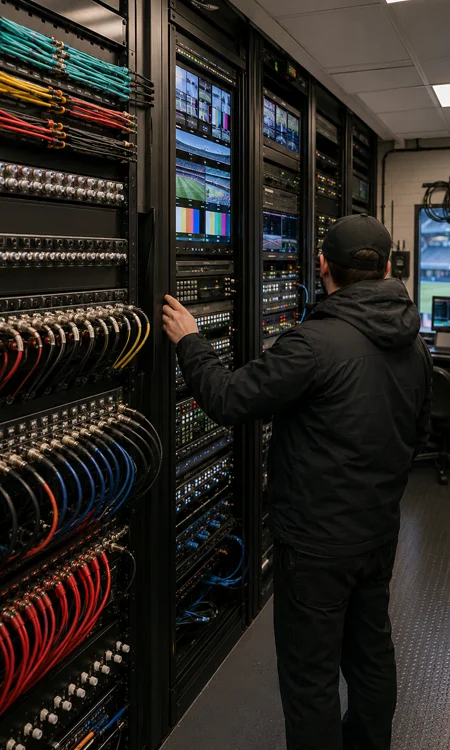
Pro AVL designed and installed the broadcast and AV infrastructure backbone for the facility, supporting both in-house production and national broadcast operations. The work included fiber, triax, and network cabling throughout the stadium, creating dependable pathways from production spaces to camera locations and broadcast truck interfaces.
The result was a practical foundation for live event coverage, venue presentation, and professional broadcast coordination inside a Major League Baseball environment.
Connecting the Field, Control Room, and Broadcast Compound
A baseball stadium places production demands in many different parts of the building at once. Camera positions may sit along the seating bowl, near the field, above the concourse, or in elevated broadcast locations. Control rooms need access to those feeds quickly. Outside broadcast crews need clearly defined connection points that let them interface with the venue without rebuilding the signal path for each event.
Marlins Park’s infrastructure had to support that movement of video and data across long distances while staying organized enough for production teams to work efficiently. The backbone needed to serve the in-house team during everyday venue operations while also giving national broadcast crews the connectivity needed for professional game coverage.
The project focused on the infrastructure that makes live production possible, the cabling, pathways, and handoff points that allow cameras, control rooms, and truck interfaces to operate as one connected system.
CHALLENGE
Stadium production depends on distance, clarity, and repeatable access.
Large sports venues create a simple but demanding technical problem. Production signals have to move from many locations to a few critical control and distribution points, often over long runs and through complex building pathways. A weak or poorly organized infrastructure layer can slow crews down, limit camera placement, and make event-day troubleshooting harder than it should be.
For Marlins Park, the infrastructure needed to support both local presentation and outside broadcast workflows. That meant planning cabling and access points with the physical realities of the stadium in mind, including camera positions, control rooms, production spaces, and broadcast truck interfaces.
- Fiber optic pathways for high-capacity signal movement across the stadium
- Triax connectivity for broadcast camera workflows
- Network cabling to support production and AV infrastructure needs
- Connection points that help bridge in-house systems with broadcast truck operations
- A structured backbone that supports repeated use by technical teams
INFRASTRUCTURE APPROACH
A Backbone Built Around Production Workflow
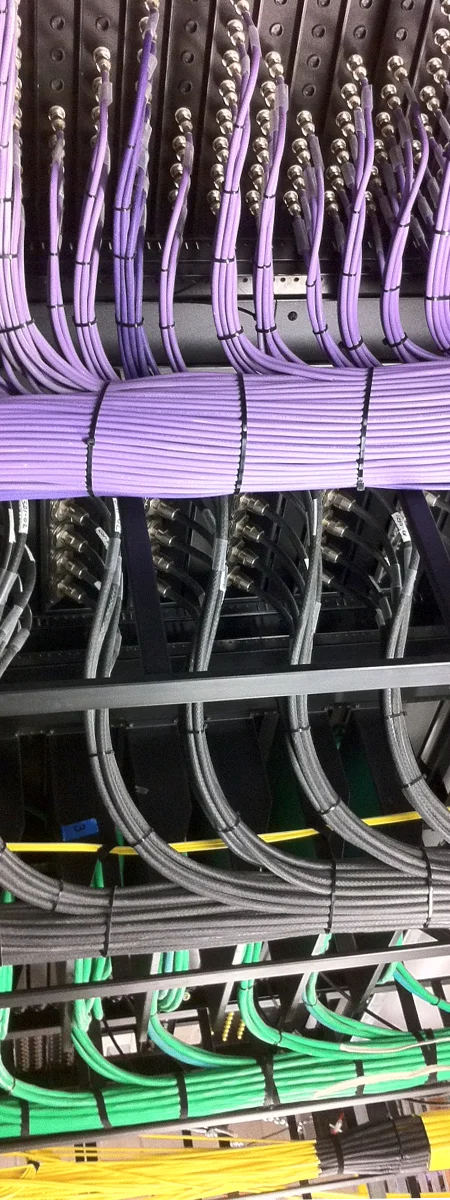
Pro AVL’s work centered on creating the infrastructure layer that production teams could depend on before, during, and after events. Rather than treating each location as an isolated technical point, the installation connected the stadium through a coordinated cabling strategy that supported camera feeds, control room access, and broadcast handoffs.
Fiber, triax, and network cabling were installed throughout the facility to create the pathways needed for professional production. The system was planned around the way stadium crews and visiting broadcast teams move through a live event, from setup and line checks to show operation and post-event teardown.
This approach gave the venue a cleaner technical foundation. Signals could be routed from the right places, production teams had access to established infrastructure, and outside crews could interface with the stadium through defined broadcast connection points.
- Reliable projection support for instructional and performance content
- Clear audio systems that serve both room use and collaboration needs
- Communications infrastructure for coordination between technical and instructional teams
- Networked support for multi-location interaction and experimentation
Infrastructure Elements
iber Optic Cabling
Fiber infrastructure provided the high-capacity signal pathways needed across the stadium. These runs supported the movement of production signals between distant technical points without forcing crews to rely on temporary workarounds for core connectivity.
Triax Systems
Triax connectivity supported broadcast camera workflows across the venue. For a baseball stadium with multiple camera locations, these pathways helped production teams connect field, seating, and elevated positions back into the larger broadcast environment.
Network Cabling
Network cabling formed part of the broader AV infrastructure, supporting the practical data and system connectivity required in a modern production venue. This layer helped tie technical spaces into a more usable, organized facility-wide system.
Broadcast Truck Interfaces
The infrastructure included connectivity to broadcast truck interfaces, giving outside production crews a defined point of entry into the venue’s systems. That handoff is critical for national broadcast workflows, where setup time and signal confidence both matter.
OPERATIONAL IMPACT
Cleaner Setup, Stronger Signal Paths, Better Game-Day Readiness
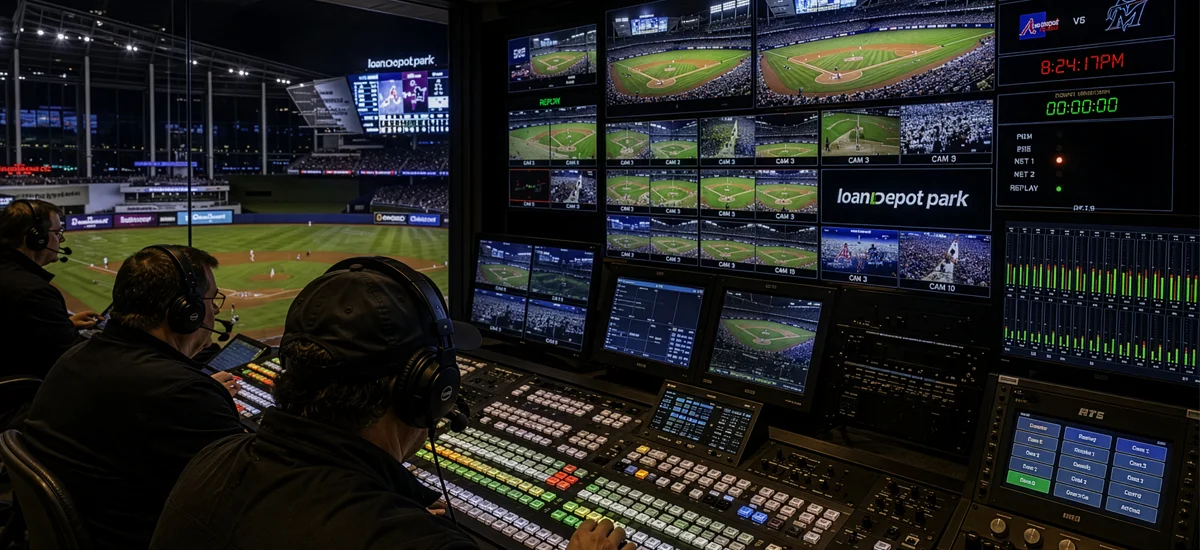
Broadcast infrastructure is most valuable when it disappears into the rhythm of production. Crews need the right connections in the right places, and they need those pathways to behave consistently when the event is already moving.
At Marlins Park, the installed infrastructure helped support a more repeatable production environment. In-house teams could rely on stadium cabling and system pathways for venue presentation, while broadcast crews had access to the connectivity needed for professional coverage.
The work supported practical game-day operations, including camera setup, signal routing, control room coordination, and broadcast truck integration. Each of those details contributes to a smoother production day, even when the audience only sees the finished show.
OUTCOME
Broadcast-Ready Foundation for a Major League Venue
Pro AVL’s work at Marlins Park helped establish the technical backbone needed for a modern baseball stadium’s production demands. By connecting camera positions, control rooms, network infrastructure, and truck interfaces through a coordinated cabling approach, the project gave the venue a stronger foundation for both in-house and broadcast operations.
The completed infrastructure supported the less visible side of live sports production, the structured pathways and technical access points that make professional coverage possible. For a stadium built to host Major League Baseball, that foundation was essential to delivering reliable production support across the facility.
Build the Infrastructure Behind the Experience
Pro AVL helps sports venues, performance spaces, and live event facilities create AV and broadcast systems that support real operational needs. From infrastructure planning to full system integration, our team builds the technical foundation that keeps production moving.
Start Your Project
Explore More Projects