
Cruise Line Terminal
Passenger-facing audio, video, and control systems supporting clearer movement, messaging, and coordination inside a large cruise terminal environment.
Location: Port Canaveral, Florida
Market: Transportation, Hospitality
Solutions: Audio, Video
Year: TBD
AV Support for a High-Throughput Guest Environment
Cruise terminals move people through a carefully timed sequence: arrival, check-in, waiting, boarding, and departure coordination. In that environment, AV systems have to do more than play announcements or display information. They help passengers understand where to go, help staff maintain flow, and keep operational messaging consistent across spaces that can change quickly throughout the day.
For this Cruise Terminal, Pro AVL’s scope focused on passenger-facing audio and video systems, supported by control interfaces that help terminal teams manage communication across high-traffic areas. The work centered on clarity, coverage, and reliability inside a facility where guest experience and operational timing are closely connected.
Keeping Information Visible and Audible Across the Journey
A cruise terminal depends on smooth transitions. Guests arrive with luggage, families move at different speeds, and staff need to keep boarding activity organized without adding confusion to the room. Audio and video systems become part of that movement, carrying announcements, directional cues, and shared information across the passenger path.
Pro AVL approached the environment as a series of connected communication zones rather than isolated AV points. Each system element had to serve the larger terminal experience, from broad passenger areas to more focused locations where clear messaging is especially important.
CHALLENGE
Communication That Holds Up Under Passenger Volume
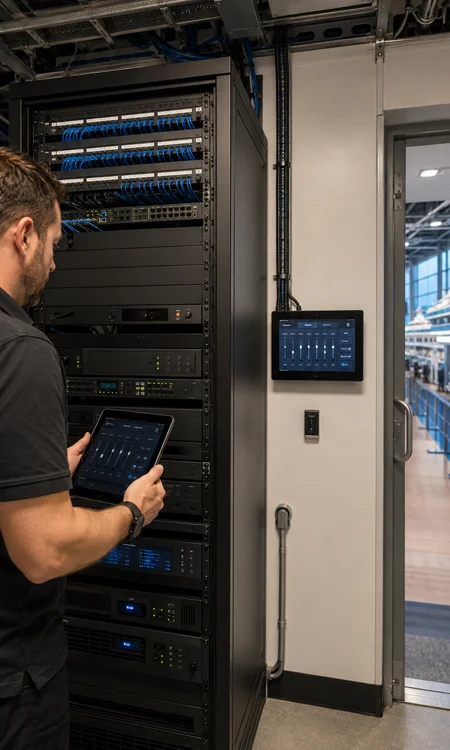
Terminal AV has to perform in a space full of hard surfaces, changing crowd density, and constant motion. Announcements need to remain intelligible without feeling harsh. Displays need to be visible without competing with architecture or passenger circulation. Control has to stay simple enough for real operating conditions, especially during busy boarding windows.
The challenge was to support a polished guest-facing environment while giving staff dependable tools for coordination. In a cruise terminal, missed or unclear information can slow movement, create repeated questions, and add pressure to teams already managing a time-sensitive operation.
INTEGRATION APPROACH
A Coordinated Audio, Video, and Control Strategy
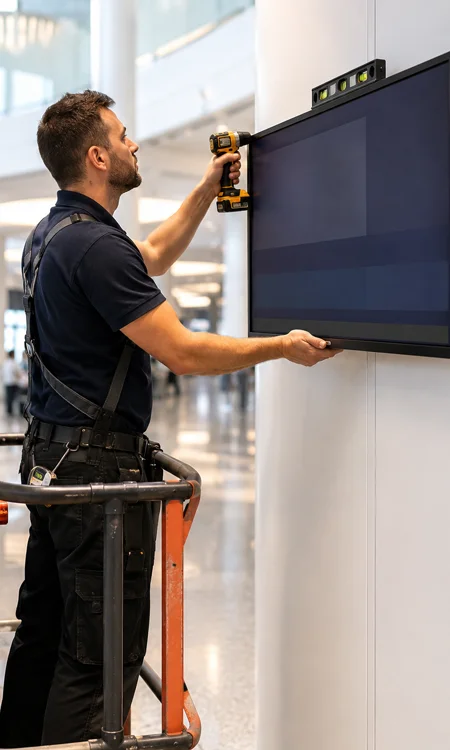
Pro AVL’s integration approach focused on systems that could work together across the terminal. Audio coverage supported passenger communication, video systems reinforced wayfinding and shared messaging, and control interfaces gave operators a practical way to manage the environment.
Rather than treating each display or speaker zone as a separate feature, the system was planned around how the terminal functions during active passenger flow. The result is an AV foundation that supports both guest clarity and staff coordination.
AV Elements
Passenger Audio Coverage
Audio systems support clear announcements across terminal spaces where crowd noise, ceiling height, and reflective finishes can make speech difficult to manage.
Video and Wayfinding Support
Video systems help reinforce passenger direction and shared information, giving guests visual cues that complement spoken messages.
Control Interfaces
Control points give terminal staff a more direct way to manage AV behavior across zones, helping the system remain useful during changing operating conditions.
Terminal-Wide Consistency
The integration ties audio, video, and control into a more unified experience so communication feels organized throughout the passenger journey.
OPERATIONAL IMPACT
Supporting Staff Coordination and Guest Confidence
When AV systems are clear and predictable, they reduce friction for both passengers and staff. Guests can follow information with less uncertainty, while terminal teams can communicate across busy spaces without relying only on repeated person-to-person direction.
For a cruise terminal, that operational value matters. Boarding days bring concentrated activity, shifting passenger groups, and tight timing. A coordinated AV system helps the environment feel calmer, more legible, and easier to manage.
OUTCOME
A Stronger Communication Backbone for Cruise Operations
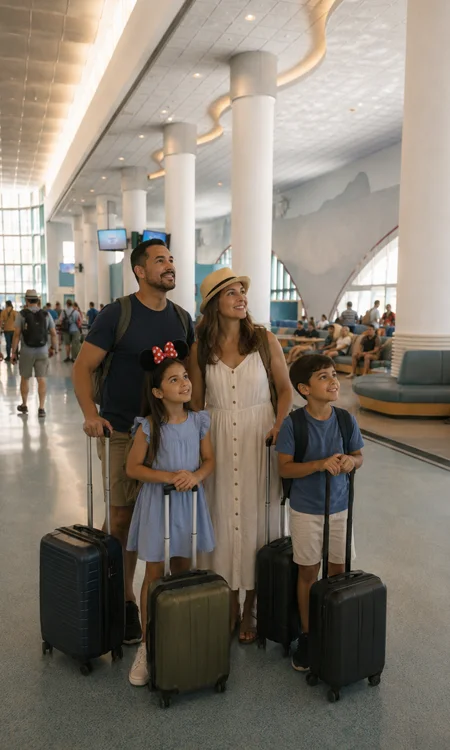
The Cruise Terminal project gives the facility a passenger-facing AV platform built around movement, clarity, and coordination. Audio, video, and control systems work together to support the flow of information across terminal spaces, helping staff guide activity and helping passengers move with greater confidence.
The result is a practical integration for a demanding transportation environment, one where the technical systems support the guest experience without calling attention to themselves.
AV Systems for Transportation and Guest-Facing Venues
Pro AVL helps high-traffic venues plan and integrate audio, video, and control systems that support real operating needs. From transportation hubs to entertainment destinations, our work focuses on communication clarity, system reliability, and spaces that are easier to manage.
Start Your Project
Explore More Projects